Showing posts with label snakes. Show all posts

Wednesday, November 7, 2012

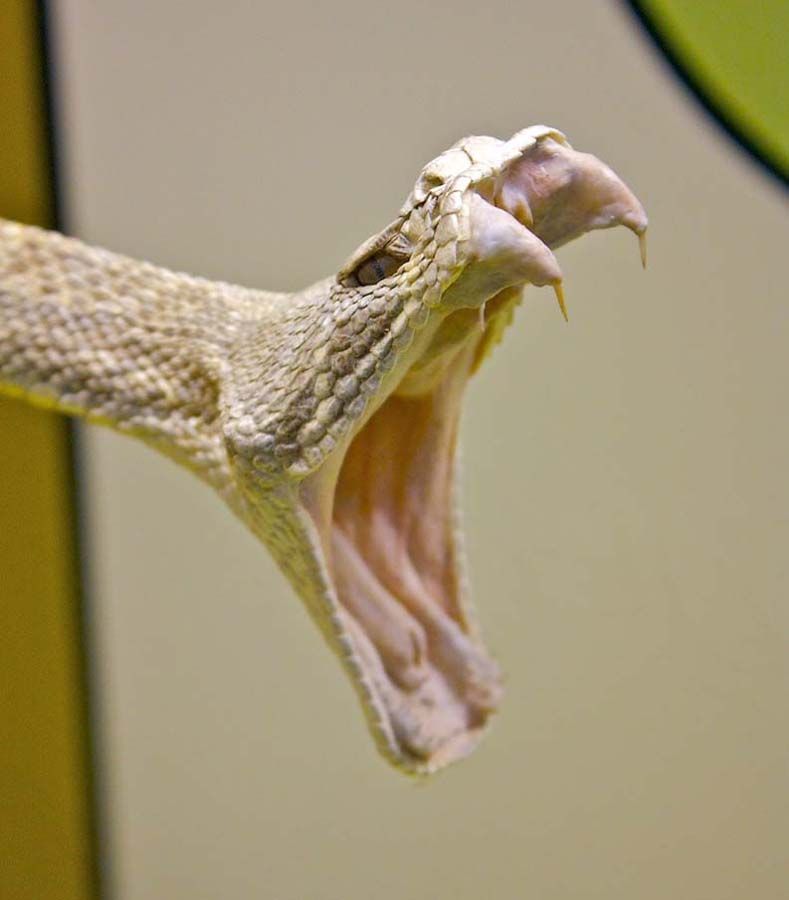
Fangs


Monday, October 29, 2012

Save your hair

Would you believe this bracelet is made of hair?
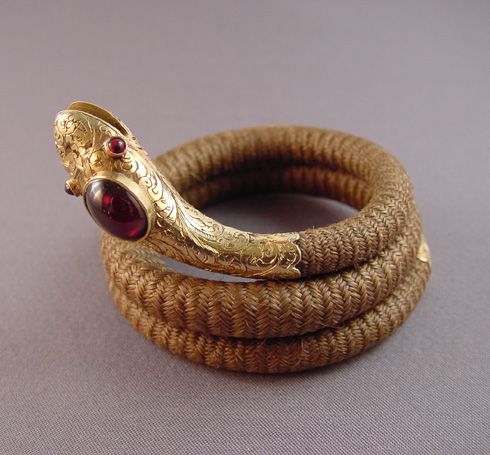

It's a Victorian snake coil bracelet with 14 karat yellow gold and garnets and a woven hair band, approximately 14" total length by 1/2" wide, snake head 2" long. For sale here.

 Hair jewelry was the height of the romanticism and sentiment that characterized the Victorian era.

 Watch chains and bracelets often show the most ingenious hair weaving techniques with more than one color of hair often used, as perhaps a chain given by three daughters to their father.

via

Saturday, September 1, 2012

Adder Bite Alchemy Gothic Snake Ring
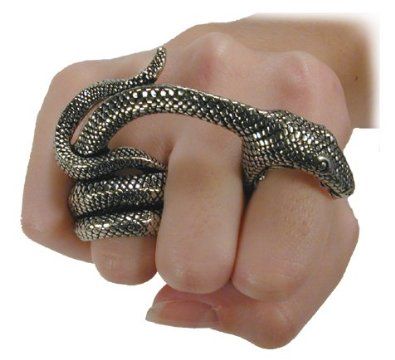


Gigantic, venomous serpent spanning two fingers to sink its teeth into the third. Generally worn on the ring finger, with the snake biting the forefinger. This massive Alchemy Gothic pewter ring cannot be ignored! 3" across, 1 1/2" wide.

Buy it at Amazon

Wednesday, May 2, 2012
Sunday, April 22, 2012

Snake lollipop


Buy them HERE

Saturday, March 17, 2012

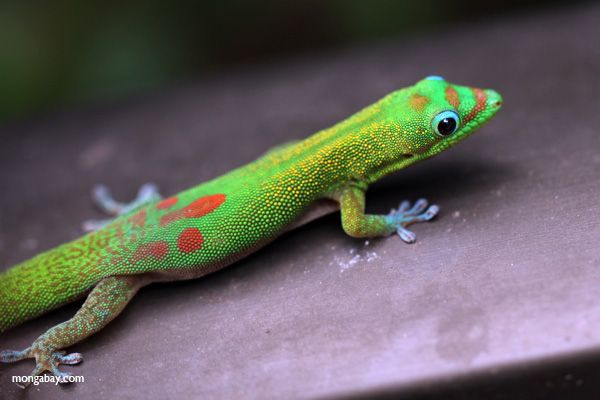
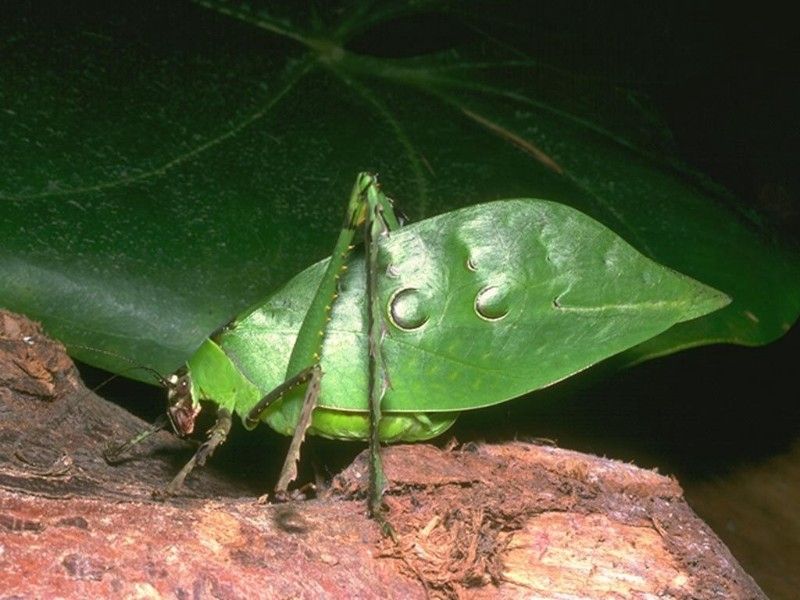
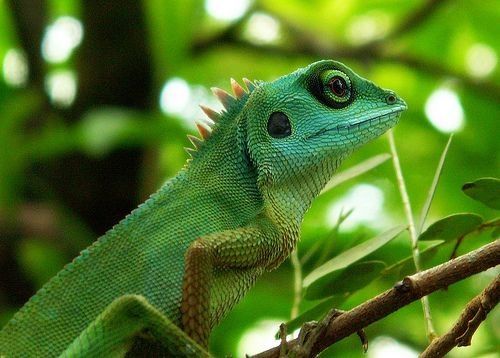
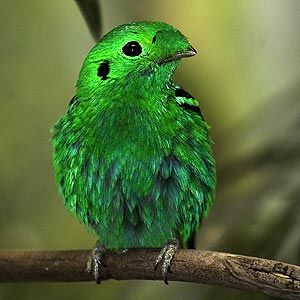
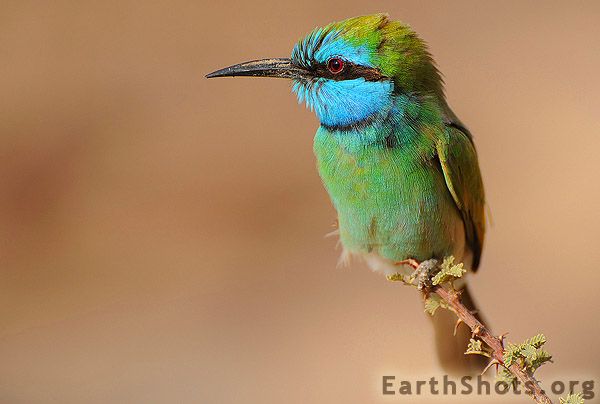
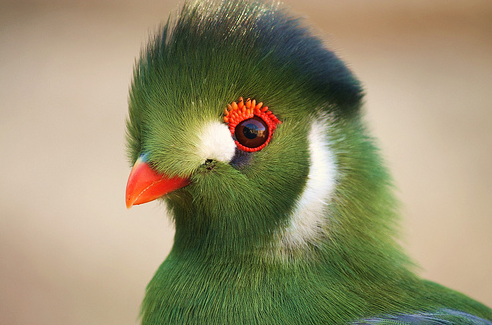
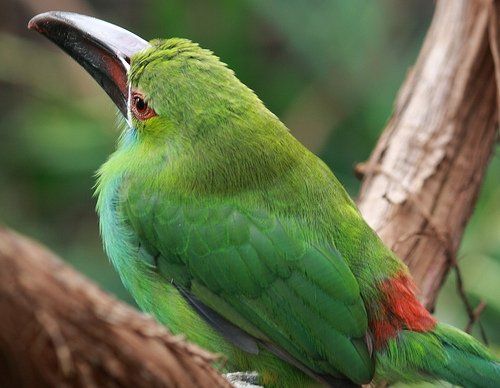
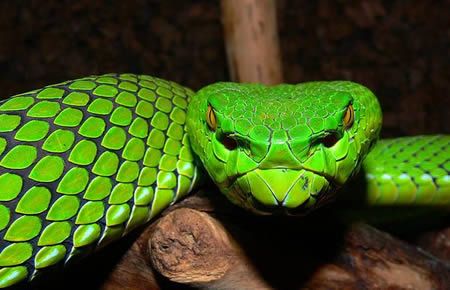
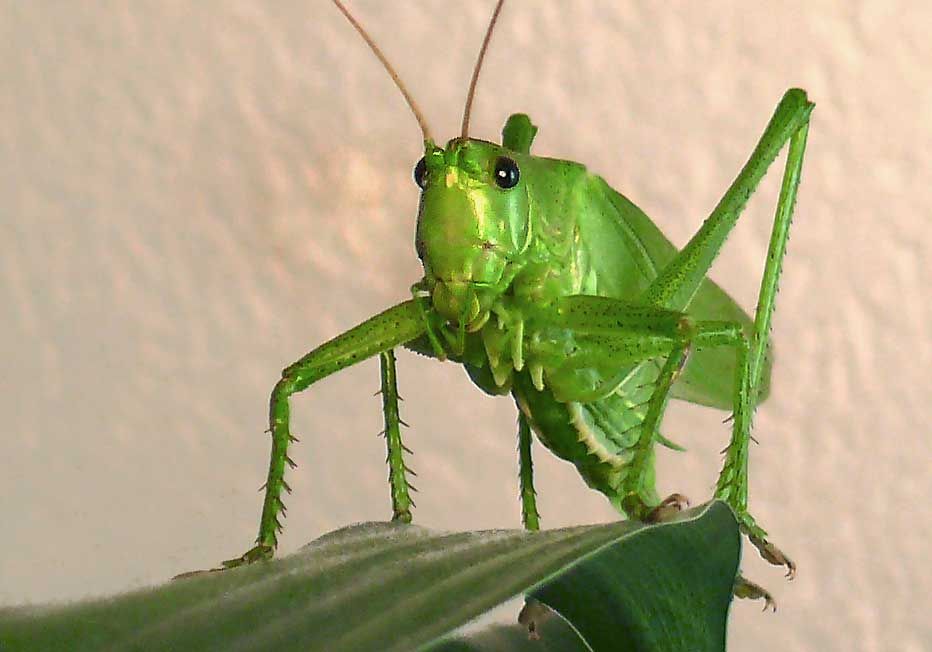
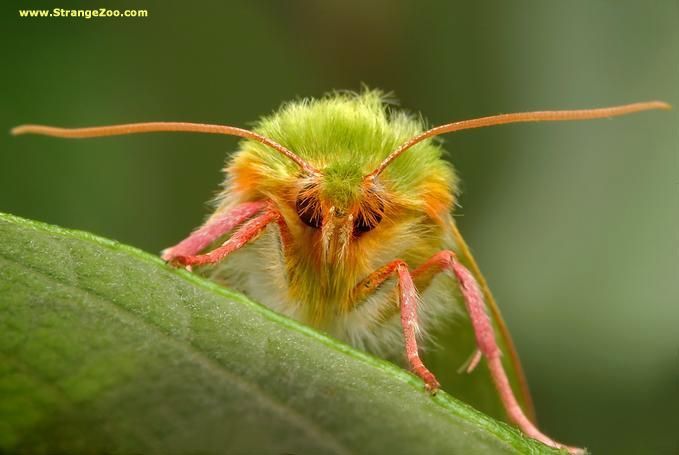
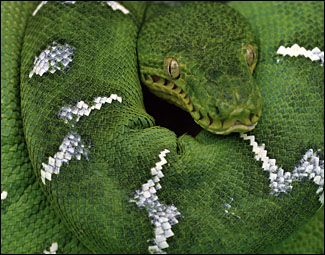
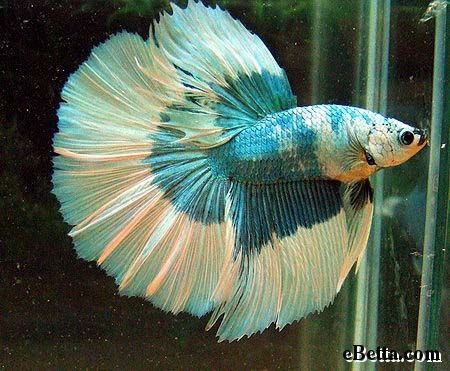
Happy St. Patrick's Day! - from 17 green creatures

On St. Patrick's Day, everyone is Irish!

Here are 17 creatures wearing green for St. Patrick's Day . . .

by Julie Corsi

Source

Source

Source

Source

by Yazeed Al-Sahly

by Julie Corsi

Source

Source

Source

Source

Source

Source

by Julie Corsi

Source

Source

Source

Wednesday, February 1, 2012

Tylenol-loaded mice dropped from air to control snakes
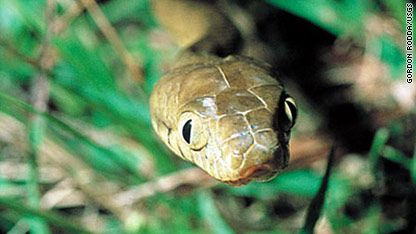
Dead mice packed with acetaminophen, strapped to pieces of cardboard and dropped from helicopters may help control one of the big headaches for the Pacific island of Guam – the brown tree snake.

The U.S. Department of Agriculture last week began dropping the expired rodents packed with 80 mg of the generic equivalent of Tylenol on the forests of Naval Base Guam.

Since scientists discovered that the household pain reliever was deadly to the brown tree snakes, they’ve been trying to figure out how to get it to where many of the serpents live in the canopies of the island’s forests.

Source

Monday, January 30, 2012
Snake tongue

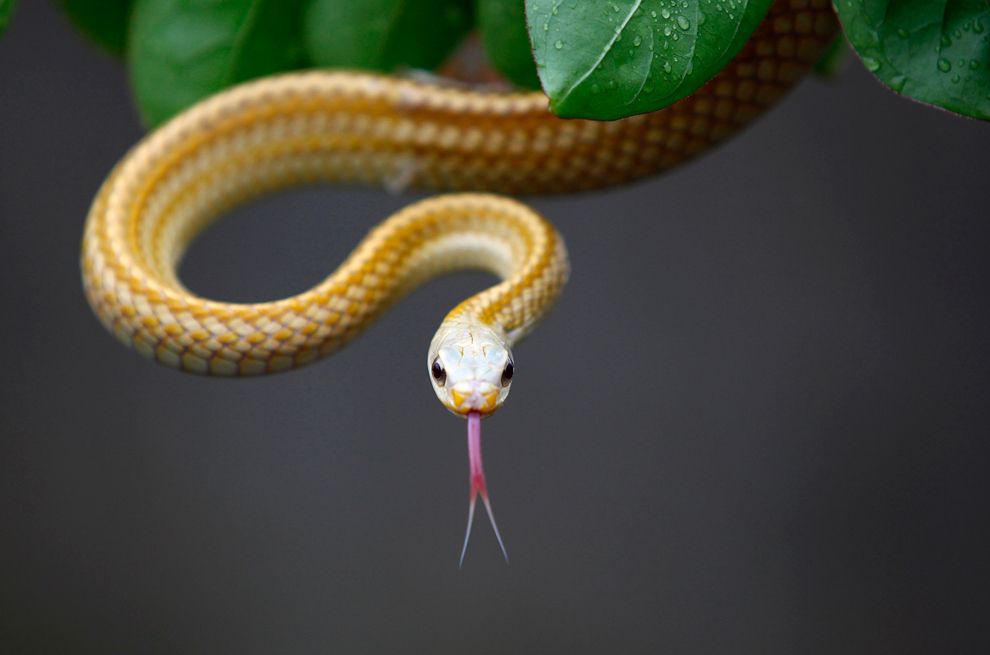
Photo credit: Aly Song/Reuters Source

Monday, March 28, 2011

Snake hunt at Bronx Zoo

NEW YORK - The Bronx Zoo closed its reptile house exhibit over the weekend after workers discovered a highly poisonous Egyptian cobra was missing from its enclosure. Source

Monday, November 22, 2010

Huge Boa Constrictor Found In Car Engine

A California couple returning from a trip to the grocery store Thursday found a 9-foot boa constrictor under the hood of their car. Animal control workers used a little cooking oil to loosen the red tail boa's grip on the car engine. It's not clear where the snake came from. But animal control workers said they suspect it broke free from its owner's care. Source

Thursday, February 12, 2009
Monday, November 3, 2008

This doesn't sound relaxing to me

An Israeli health and beauty spa is offering a snake massage for its customers. Ara Barak claims her pet snakes make the ideal masseurs as their slithering causes a massage sensation when placed on a person's skin. Ms Barak said she discovered her pet's 'therapeutic value' after noticing her friends became more relaxed after holding them. No, thanks. Source: Daily Mail (via Life in the Fast Lane)

Thursday, September 11, 2008

Rare albino cobra

Visitors flock to the Madras Crocodile Bank Trust in the Indian city of Chennai because of the remarkable beauty of Goya, an albino cobra. Goya, who is a milky color with shades of pink, was a gift from Dehiwala Zoo in Sri Lanka where they specially breed albino snakes. The three-and-a-half foot reptile was the only one of his albino siblings to survive, and is now kept on his own in a specially constructed enclosure. Goya spends most of his day indoors due to his sensitivity to light, only venturing outside for his daily meal of five live rats. Source: Telegraph

Tuesday, June 10, 2008

Snake found in baby's crib

A mother visiting family on Long Island says was startled when she went to check on her seventh-month-old baby in the middle of the night and found a snake coiled around the baby's leg. Cari Abatemarco, who lives in Troy, New York, was visiting family in Brentwood last week when she says her baby's cry woke her up. She says the foot-long snake just fell off her baby's leg when she went to grab the infant from the crib. Her cousin grabbed the snake and held it until animal control officer arrived. Animal control officials say the snake is a non-venemous California King, that's is not usually found on Long Island. Local police say they are not sure where the snake came from. Source: Newsday.com

Monday, April 21, 2008

Officer wrestles python in pet store attack

A Eugene police officer can now add snake wrestler to his list of skills after an attack on a pet store worker Thursday. Police said they were called to the pet store on Elmira around 3:30 p.m. on a report that a 12-foot Burmese Python had latched onto the woman and wrapped itself around her. Police Sergeant Ryan Nelson was about to use his knife to get the snake free, but the victim pleaded for the snake’s life. Nelson and another firefighter were finally able to pry the snake’s mouth open and uncoil it after a struggle, freeing the woman. After Nelson got the snake into its cage, the huge reptile escaped and tried to attack Nelson. The snake lost a couple of teeth in the ordeal, but no one suffered any serious injuries. Photo from Flickr, by DashTapper

Wednesday, April 16, 2008

Saving lives with venom
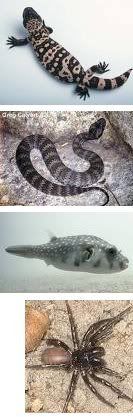
There are thousands of venomous animal species on Earth. Just a few of the most lethal are the Gila monster, the death adder, the fugu puffer fish and the Sydney funnel web spider. Medical researchers are finding a positive side to these dangerous creatures: the complex and highly sophisticated poisons produced by these creatures have components that might save lives rather than kill. The PBS show, Nature, Victims of Venom, illustrates how some of the animals we fear most may one day soon be helping us solve or alleviate a wide range of life-threatening medical problems. Venomous animals use their toxins to capture prey or defend themselves. They inflict their poisons by biting, stinging, and, in the case of some marine animals, by emitting venom into the water so it can be absorbed through the skin. The venom itself typically comprises many different substances that have various effects on their victims. The film introduces us to carefully trained researchers around the world who are risking harm - even death - to themselves by "milking" the venom of live animals so that the various components of these poisons can be studied in great detail and better understood, perhaps preparing the way for clinical trials against a variety of diseases and medical conditions. It's not only a dangerous job but a laborious one, since only tiny amounts of venom can be extracted at a time. Heart disease, stroke, various cancers, and the management of chronic and severe pain are other potential targets of the chemicals that comprise venom.

Monday, March 17, 2008

Booze with a Bite

Texas Alcoholic Beverage Commission agents seized 411 bottles of illegal hooch Thursday at Bayou Bob's Brazos River Rattlesnake Ranch in Palo Pinto County. But it wasn't your typical variety of moonshine: the bottles of vodka also contained 10-inch rattlesnakes. Bob Popplewell, the owner of Bayou Bob's, received widespread attention last year when Texas wildlife officials decided to tighten regulations for the collection of turtles. He is believed to be largest buyer of turtles in the state. He testified before Texas Parks and Wildlife commissioners that he shipped 12,000 turtles out of state in 2006 and another 30,000 in 2005. Popplewell said that most of the turtles are shipped to Asia where they are considered a delicacy. There was no evidence that Popplewell was shipping the snake-infused alcohol from his business but the investigation is ongoing. Source: Star-Telegram

St. Patrick didn't do it

Legend tells that St Patrick rid snakes from Ireland's shores as he converted its peoples from paganism during the fifth century A.D. The Christian missionary supposedly chased the reptiles into the sea after they began attacking him during a 40-day fast he undertook on top of a hill. An unlikely tale, but Ireland is one of only a handful of places worldwide — including New Zealand, Iceland, Greenland, and Antarctica — which have no snakes. St. Patrick had nothing to do with Ireland's snake-free status, scientists say. Most scientists point to the most recent ice age, which kept the island too cold for reptiles until it ended 10,000 years ago. After the ice age, surrounding seas may have kept snakes from colonizing the Emerald Isle. Source: National Geographic

Thursday, March 6, 2008

How snakes hear sounds

For years it was assumed that snakes couldn't hear, that they sensed prey by smell, taste, and in some species, special heat-sensing pits near the nose. Basic experiments during the 1970s showed snakes could hear, but didn't explain how. Now we know. US and German research shows that snakes have two hearing systems, one via their jaws, providing valuable insight into snake evolution. After a sound is picked up by a snake's jawbones, it travels into the cochlea, where nerves pick up the signal and transmit it to the brain. By hearing through their jaw bone and through a traditional ear, snakes essentially evolved a second way to hear, say the researchers. Source: ABC.net.au

Thursday, February 7, 2008

Snakes invade Florida!

Where is St. Patrick when you need him? * In East Manatte, a 13-foot-long, reticulated python, nicknamed the "Wal-Mart snake," was caught Monday in a culvert near Morgan Johnson Road off State Road 64. "Reticulated pythons grow to be the longest snake in the world. Up to 33 feet has been reported," local wildlife rehabilitator Justin Matthews said, adding this female, 13-foot-long snake appeared to be approximately 4 years old. "The snake at this age could be potentially dangerous if someone did not know what they were doing and if it got wrapped around their neck. What it basically adds up to is 30 pounds of squeezing pressure per square inch." * In St. Augustine, there's a new addition to an alligator farm but it's not an alligator... it's another kind of reptile, a 21-foot, 9-inch python. The snake was captured by villagers on the island of Sulawesi in Indonesia. Farm officials say it may be the largest snake in captivity. In Everglades National Park, a snake wrangling tale sounds like a Three Stooges routine. A 6-foot python sought refuge by slithering up into the engine compartment of tourist Ron DeLong's Ford Explorer. DeLong attempted to grab the python with the curved end of his walking cane but failed as the snake slithered through. With the snake now wrapped around his engine, DeLong drove 15 miles to the park's main entrance to get help. A park ranger, two biologists and a firefighter opened the hood and tried to yank the snake out, but the python just gripped the engine more tightly. Tasering the snake proved to be an unsuccessful tactic as the python began to contract and excrete bodily fluids all over the four responders. Our four heroes then disassembled the undercarriage of the vehicle until they could reach the snake. They slapped some duct tape on its mouth and uncoiled the snake from the engine, then killed it. After putting the car back together again, they brought the snake to the lab for study.