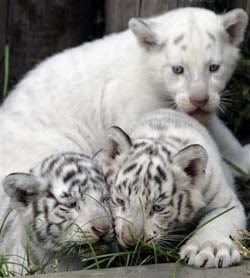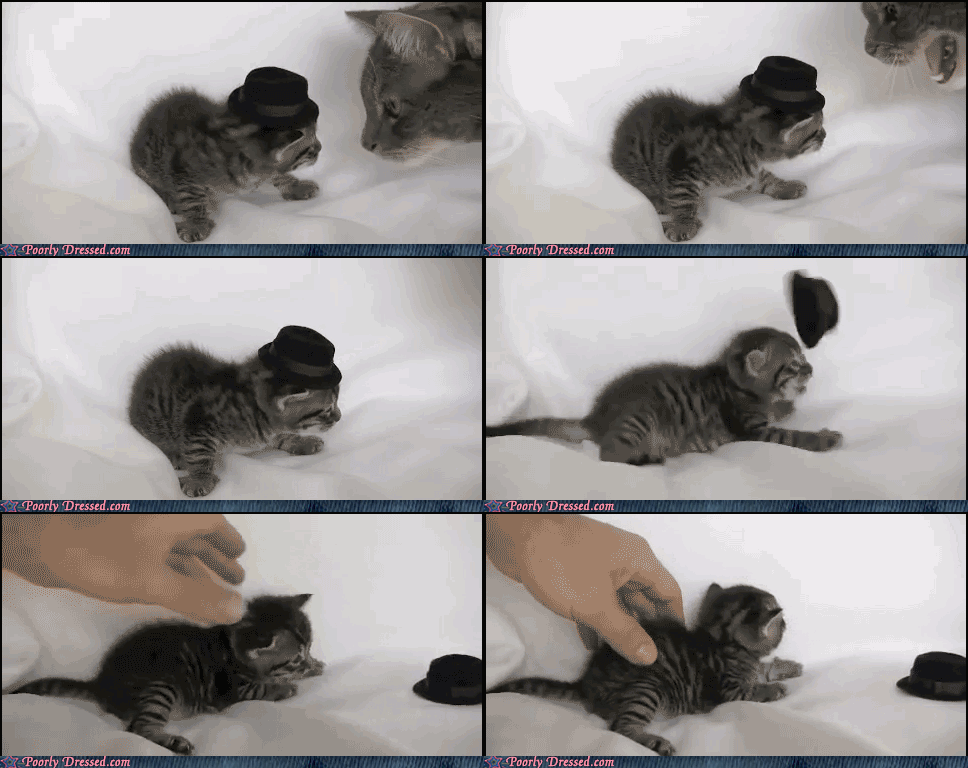
Source


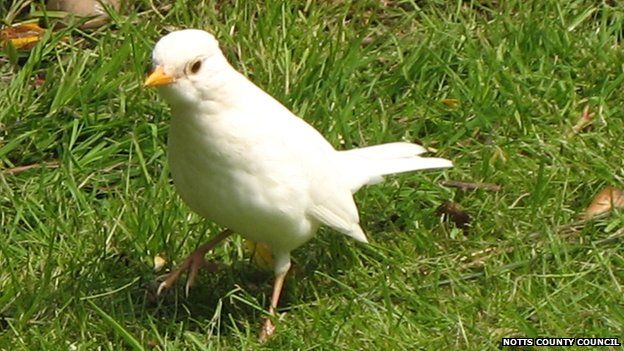 This unusual blackbird is attracting bird watchers to a Nottinghamshire country park.
The bird is leucistic, which is a genetic mutation that prevents pigments from being deposited normally in its feathers.
It has been residing for the last four years in the woodland of Rufford Abbey Country Park.
Each year, observers say, it has steadily shed its black feathers for white feathers.
Park rangers took this picture of the blackbird - which is now completely white with no visible pigmented feathers - in the summer of 2011.
Source
This unusual blackbird is attracting bird watchers to a Nottinghamshire country park.
The bird is leucistic, which is a genetic mutation that prevents pigments from being deposited normally in its feathers.
It has been residing for the last four years in the woodland of Rufford Abbey Country Park.
Each year, observers say, it has steadily shed its black feathers for white feathers.
Park rangers took this picture of the blackbird - which is now completely white with no visible pigmented feathers - in the summer of 2011.
Source
 flickr, by DGMiller777
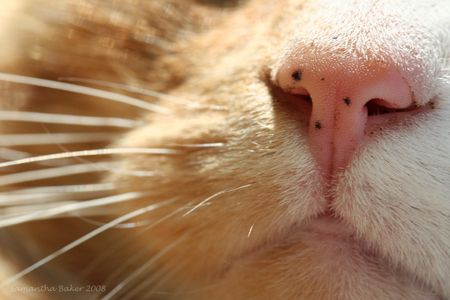 by Samantha Baker
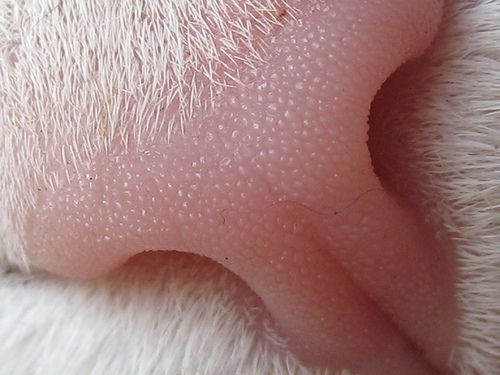 flickr, by dolce gerhard
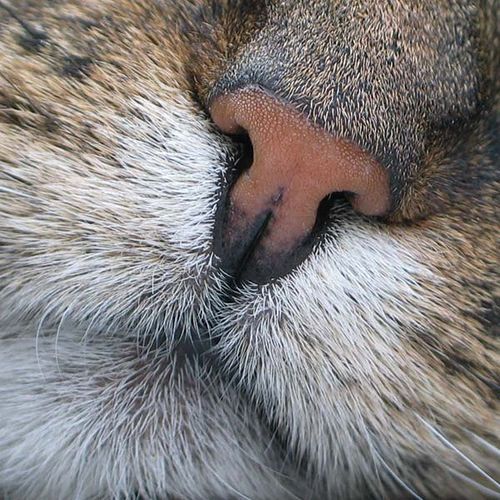 flickr, by RoosjeVanDoorn
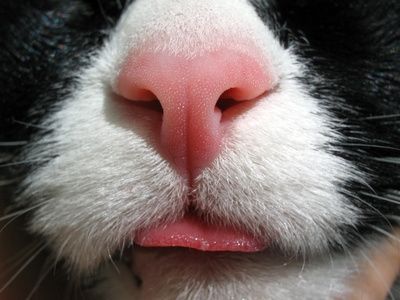
 flickr, by corsi photo
 flickr, by yokviv
 Artist: SofiaYoushi
 Flickr, by lissalou66
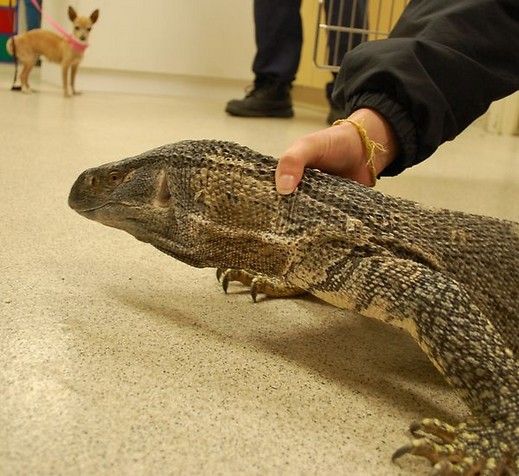 RIVERSIDE, Calif. — The 5-foot Monitor lizard wandering around a condo complex in the city of Riverside had residents freaking out and reporting a Godzilla-like creature in their neighborhood.
Black-throated Monitor lizards are carnivorous, legal to own in California and native to the African grasslands and parts of Asia. Juveniles go for about $100 in pet stores, but they grow.
The animal was captured and taken to Riverside County Animal Services.
Photo: Riverside County Department of Animal Services
Source
RIVERSIDE, Calif. — The 5-foot Monitor lizard wandering around a condo complex in the city of Riverside had residents freaking out and reporting a Godzilla-like creature in their neighborhood.
Black-throated Monitor lizards are carnivorous, legal to own in California and native to the African grasslands and parts of Asia. Juveniles go for about $100 in pet stores, but they grow.
The animal was captured and taken to Riverside County Animal Services.
Photo: Riverside County Department of Animal Services
Source
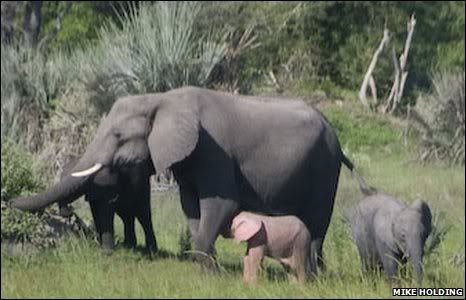 A wildlife cameraman took pictures of the calf when he spotted it among a herd of about 80 elephants in the Okavango Delta.
Experts believe it is probably an albino, which is an extremely rare phenomenon in African elephants.
They are unsure of its chances of long-term survival - the blazing African sunlight may cause blindness and skin problems for the calf.
Mike Holding, who spotted the baby while filming for a BBC wildlife programme, said: "We only saw it for a couple of minutes as the herd crossed the river.
Source
A wildlife cameraman took pictures of the calf when he spotted it among a herd of about 80 elephants in the Okavango Delta.
Experts believe it is probably an albino, which is an extremely rare phenomenon in African elephants.
They are unsure of its chances of long-term survival - the blazing African sunlight may cause blindness and skin problems for the calf.
Mike Holding, who spotted the baby while filming for a BBC wildlife programme, said: "We only saw it for a couple of minutes as the herd crossed the river.
Source
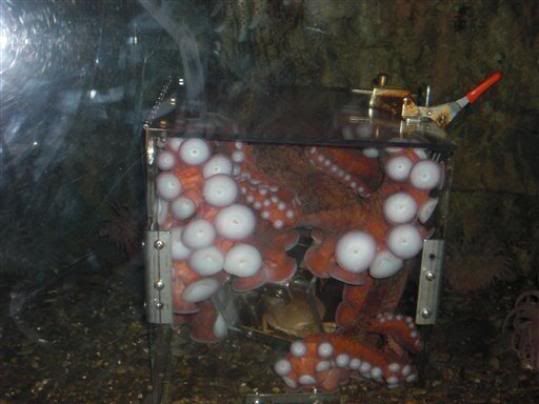 In this photo provided by the New England Aquarium, Truman the octopus is seen squeezed inside an acrylic cube at the New England Aquarium in Boston, Thursday, March 5, 2009. Truman squeezed his flexible frame into the acrylic box while trying to snag a tasty lunch of crabs. He spent about 30 minutes in the box before slithering out, delighting staff and guests who witnessed the spectacle.
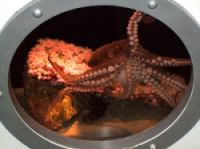 In California, the Heal the Bay Santa Monica Pier Aquarium is facing up to $20,000 in damages as a result of a mischievous octopus that flooded the building.
A female California two-spotted octopus swam to the top of her tank, disassembled a valve with her powerful arm, and released at least 200 gallons of seawater into nearby exhibits and offices.
In California, the Heal the Bay Santa Monica Pier Aquarium is facing up to $20,000 in damages as a result of a mischievous octopus that flooded the building.
A female California two-spotted octopus swam to the top of her tank, disassembled a valve with her powerful arm, and released at least 200 gallons of seawater into nearby exhibits and offices.
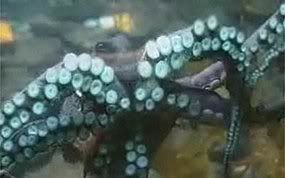 At the Dunedin Aquarium in New Zealand, Sid the octopus, mysteriously vanished from his tank.
Five days later, he was spotted by a staff member making a dash for the door.
Sid had been hiding out in a drain, which pumps fresh sea water into the aquarium.
He was persuaded back into his tank. He was hungry but otherwise OK.
The aquarium's senior aquarist, Matthew Crane, says Sid has done his time and will be freed.
Photo #1 credit: AP Photo/New England Aquarium
At the Dunedin Aquarium in New Zealand, Sid the octopus, mysteriously vanished from his tank.
Five days later, he was spotted by a staff member making a dash for the door.
Sid had been hiding out in a drain, which pumps fresh sea water into the aquarium.
He was persuaded back into his tank. He was hungry but otherwise OK.
The aquarium's senior aquarist, Matthew Crane, says Sid has done his time and will be freed.
Photo #1 credit: AP Photo/New England Aquarium
Visitors flock to the Madras Crocodile Bank Trust in the Indian city of Chennai because of the remarkable beauty of Goya, an albino cobra.
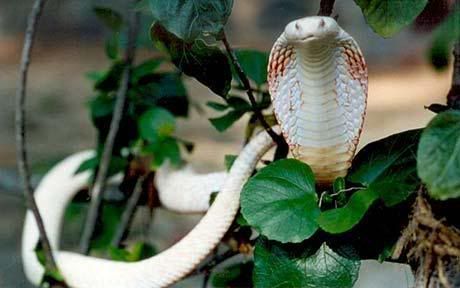 Goya, who is a milky color with shades of pink, was a gift from Dehiwala Zoo in Sri Lanka where they specially breed albino snakes.
The three-and-a-half foot reptile was the only one of his albino siblings to survive, and is now kept on his own in a specially constructed enclosure. Goya spends most of his day indoors due to his sensitivity to light, only venturing outside for his daily meal of five live rats.
Source: Telegraph
Goya, who is a milky color with shades of pink, was a gift from Dehiwala Zoo in Sri Lanka where they specially breed albino snakes.
The three-and-a-half foot reptile was the only one of his albino siblings to survive, and is now kept on his own in a specially constructed enclosure. Goya spends most of his day indoors due to his sensitivity to light, only venturing outside for his daily meal of five live rats.
Source: Telegraph
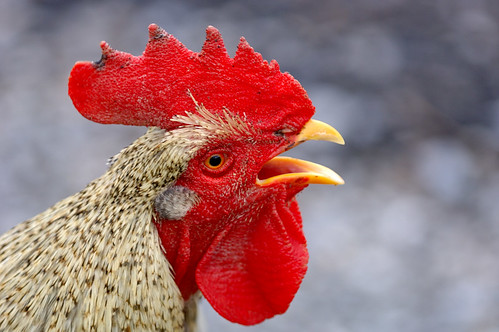 Authorities in Swaziland have declared war on roosters in the capital city because the birds are disrupting people's sleep. Authorities are set to enforce a 40-year-old law that permits residents to raise up to 12 chickens with permission but no roosters.
(Here's the quote of the week - ready?)
"After many instances we have found cocks to be troublesome and they end up making lives miserable for residents," said a Mbabane Municipal spokesman.
Source: AFP
Photo: Bill Shatto
Authorities in Swaziland have declared war on roosters in the capital city because the birds are disrupting people's sleep. Authorities are set to enforce a 40-year-old law that permits residents to raise up to 12 chickens with permission but no roosters.
(Here's the quote of the week - ready?)
"After many instances we have found cocks to be troublesome and they end up making lives miserable for residents," said a Mbabane Municipal spokesman.
Source: AFP
Photo: Bill Shatto
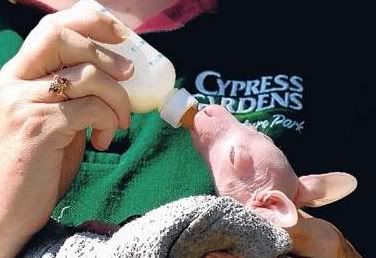 There's a new addition to the preemie ward at Cypress Gardens, and keepers are giving it around-the-clock care. An albino wallaby named Bela gave birth to an albino baby about four months ago.
In and of itself, the birth is pretty amazing -- albino wallabies are rare. Fewer than 10 have been born in the United States.
The new baby girl was supposed to stay in her mom's pouch until next winter, where she could nurse, grow fur, and get stronger. But fate stepped in.
There's a new addition to the preemie ward at Cypress Gardens, and keepers are giving it around-the-clock care. An albino wallaby named Bela gave birth to an albino baby about four months ago.
In and of itself, the birth is pretty amazing -- albino wallabies are rare. Fewer than 10 have been born in the United States.
The new baby girl was supposed to stay in her mom's pouch until next winter, where she could nurse, grow fur, and get stronger. But fate stepped in.
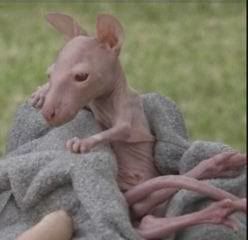 About a week and a half ago, a park employee found the new baby outside the pouch. Gardens officials are not sure what happened. They suspect that Bela may have been spooked, and threw the baby out. That's what wallaby moms do in the wild to save their own skins when they're threatened.
Since the baby is not even old enough to stand, it couldn't climb back in. Keepers tried to put it back in, but Bela would have no part of it.
"The mother growled at us. She didn't want anything to do with her," said Jessica Bond, an animal manager. "So it was in the baby's best interest to pull her and hand-raise her."
That's easier said than done. The baby, who hasn't been named yet, eats a few tablespoons of a special formula every three hours. Keepers, who take turns bringing the little one home, are up in the middle of the night feeding her.
Every other feeding they have to grease the baby with Vaseline, which simulates the mom licking her.
Gradually, the feedings will taper off. But she won't be fully weaned for another year.
Source: MyFox, Tampa Bay
About a week and a half ago, a park employee found the new baby outside the pouch. Gardens officials are not sure what happened. They suspect that Bela may have been spooked, and threw the baby out. That's what wallaby moms do in the wild to save their own skins when they're threatened.
Since the baby is not even old enough to stand, it couldn't climb back in. Keepers tried to put it back in, but Bela would have no part of it.
"The mother growled at us. She didn't want anything to do with her," said Jessica Bond, an animal manager. "So it was in the baby's best interest to pull her and hand-raise her."
That's easier said than done. The baby, who hasn't been named yet, eats a few tablespoons of a special formula every three hours. Keepers, who take turns bringing the little one home, are up in the middle of the night feeding her.
Every other feeding they have to grease the baby with Vaseline, which simulates the mom licking her.
Gradually, the feedings will taper off. But she won't be fully weaned for another year.
Source: MyFox, Tampa Bay
 Rare albino tadpoles have been found in a garden pond in Wales.
The tadpoles have the distinctive pink eyes and off-white skin coloration associated with albinism. Although isolated single examples of albino frogs, toads and newts have been seen before this is the first time a whole group has been found.
The pond's owner, who first noticed the white-tinged tadpoles, said he did not see any albino frogs using the pond during the breeding season.
Source: Telegraph
Rare albino tadpoles have been found in a garden pond in Wales.
The tadpoles have the distinctive pink eyes and off-white skin coloration associated with albinism. Although isolated single examples of albino frogs, toads and newts have been seen before this is the first time a whole group has been found.
The pond's owner, who first noticed the white-tinged tadpoles, said he did not see any albino frogs using the pond during the breeding season.
Source: Telegraph
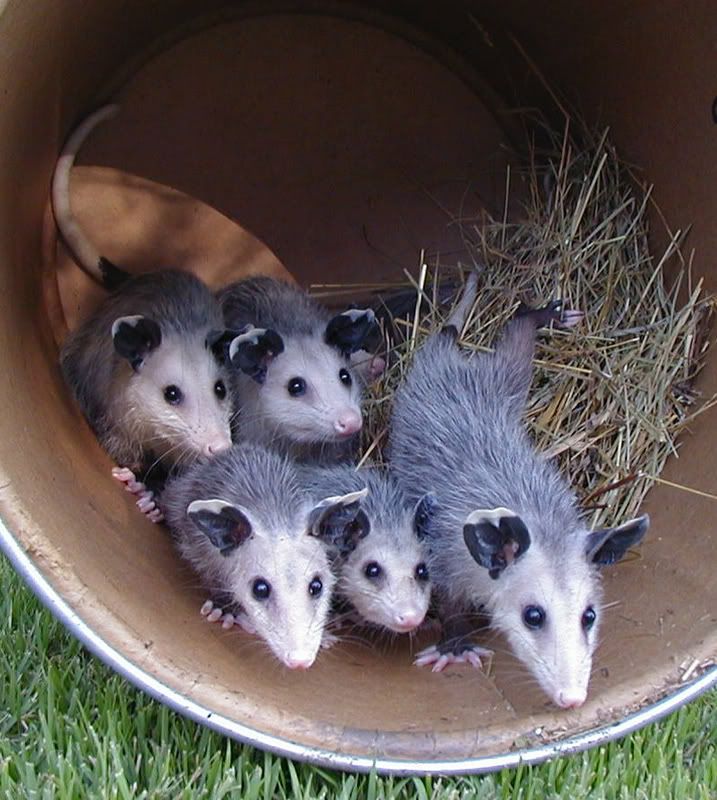 Why Opossum Has A Bare Tail
Native American Legend: Creek/Muscogee Tribe
One day, Opossum was walking in the woods around sunset when he spied Raccoon. Now Opossum had always admired Raccoon because he had a beautiful tail with rings all around it.
So Opossum went up to Raccoon and said: "How did you get those pretty rings on your tail?"
Raccoon stroked his fluffy long tail fondly and said: "Well, I wrapped bark around the tail here and here and here," he pointed. "Then I stuck my tail into the fire. The fur between the strips of bark turned black and the places underneath the bark remained white, just as you see!"
Opossum thanked the Raccoon and hurried away to gather some bark. He wrapped the bark around his furry tail, built a big bonfire, and stuck his tail into the flames. Only the bonfire was too hot and too fierce. It instantly burned all of the hair off the Opossum's tail, leaving it entirely bare.
Opossum wailed and moaned when he saw his poor tail, but there was nothing he could do but wait for the fur to grow back. Opossum waited and waited and waited. But the tail was too badly burnt by the fire and the fur did not grow back. Opossum's tail remained bare for the rest of his life.
Opossum tails have been bare ever since.
Photo: USDA
Why Opossum Has A Bare Tail
Native American Legend: Creek/Muscogee Tribe
One day, Opossum was walking in the woods around sunset when he spied Raccoon. Now Opossum had always admired Raccoon because he had a beautiful tail with rings all around it.
So Opossum went up to Raccoon and said: "How did you get those pretty rings on your tail?"
Raccoon stroked his fluffy long tail fondly and said: "Well, I wrapped bark around the tail here and here and here," he pointed. "Then I stuck my tail into the fire. The fur between the strips of bark turned black and the places underneath the bark remained white, just as you see!"
Opossum thanked the Raccoon and hurried away to gather some bark. He wrapped the bark around his furry tail, built a big bonfire, and stuck his tail into the flames. Only the bonfire was too hot and too fierce. It instantly burned all of the hair off the Opossum's tail, leaving it entirely bare.
Opossum wailed and moaned when he saw his poor tail, but there was nothing he could do but wait for the fur to grow back. Opossum waited and waited and waited. But the tail was too badly burnt by the fire and the fur did not grow back. Opossum's tail remained bare for the rest of his life.
Opossum tails have been bare ever since.
Photo: USDA